
Wells Fargo | 2026 | Lead product designer
An AI-guided experience helps business owners explore, compare, and apply for merchant services and point-of-sale solutions.

The problem
Wells Fargo customers applying for merchant services could only do so online, with no guided way to figure out which product actually fit their business. The real barrier wasn't the application itself, it was that customers didn't know what they needed, and had no efficient way to find out.
The solution
A guided, conversational experience simplifies onboarding through personalized recommendations, tailored content, and real-time answers. The new experience reduces friction across the entire journey.



The story
A Wells Fargo small business owner is exploring new ways to accept payments. They need both online payment capabilities and an updated point-of-sale system, so they visit Wells Fargo merchant services to browse Clover devices and evaluate solutions that fit their business needs.
Guiding the user
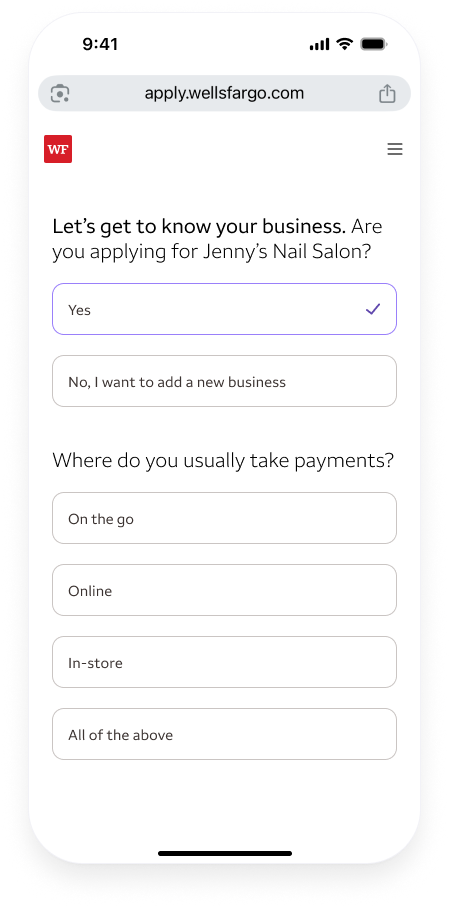
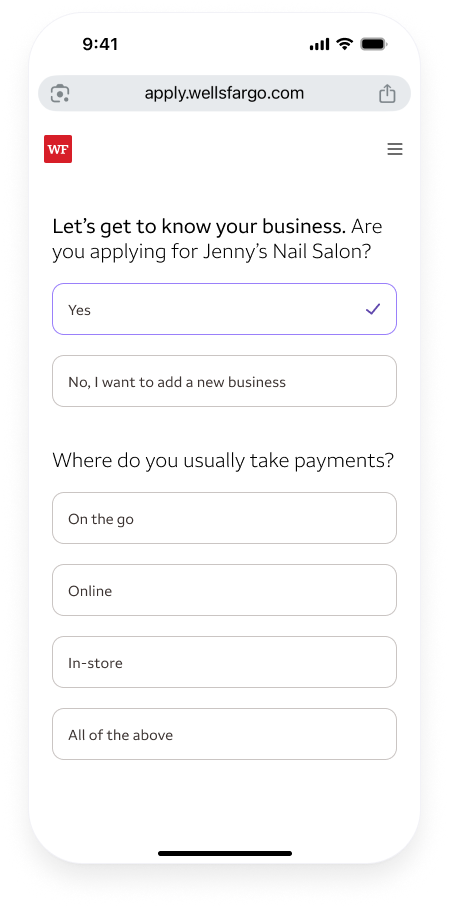
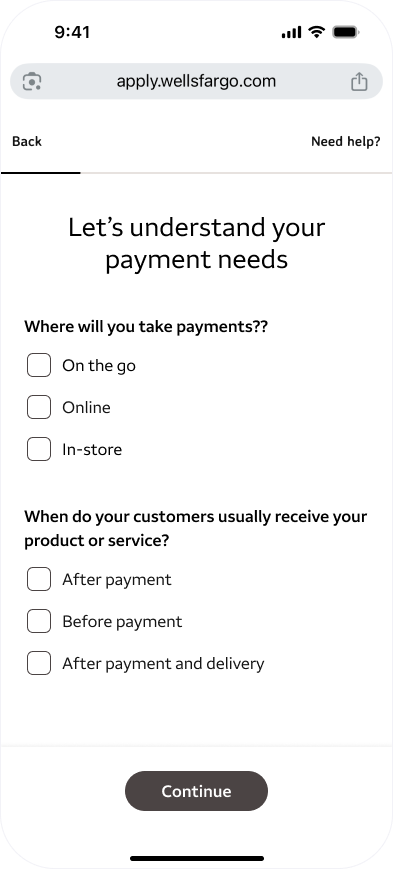
If a customer's first interaction feels like a generic chat, they don't feel understood, they feel like they're starting from zero. A short questionnaire lets us bring business context into the conversation, so the AI recommendations feel tailored rather than guessed at. Understanding comes before conversation, not the other way around.
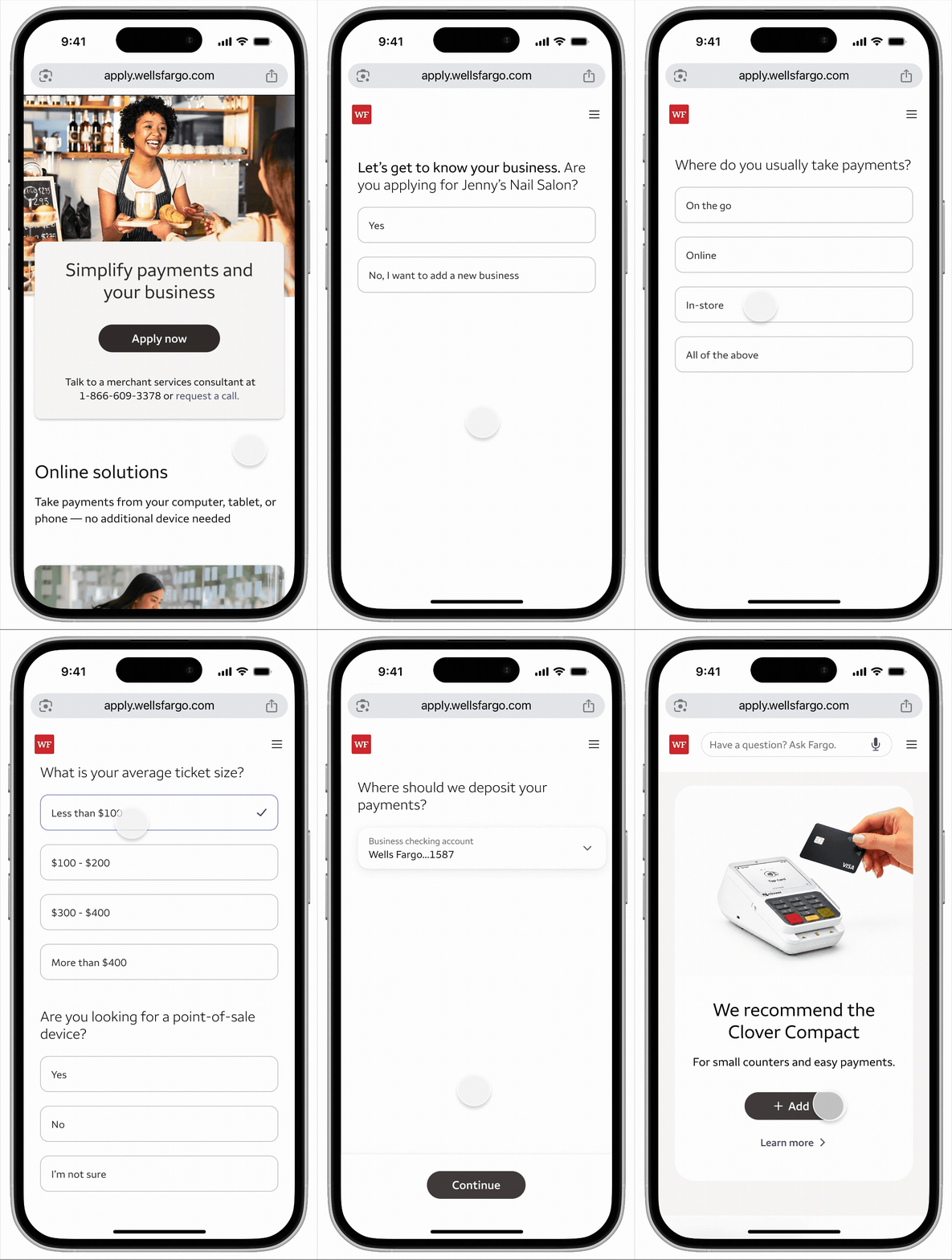

Letting the user drive
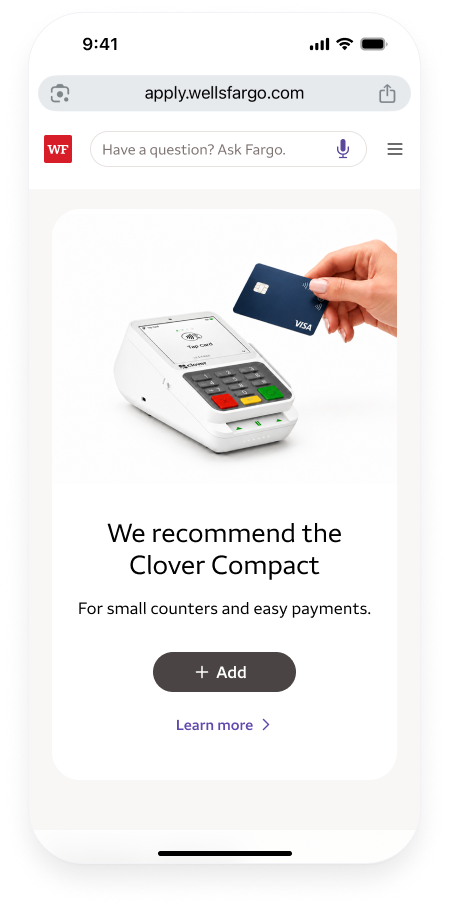
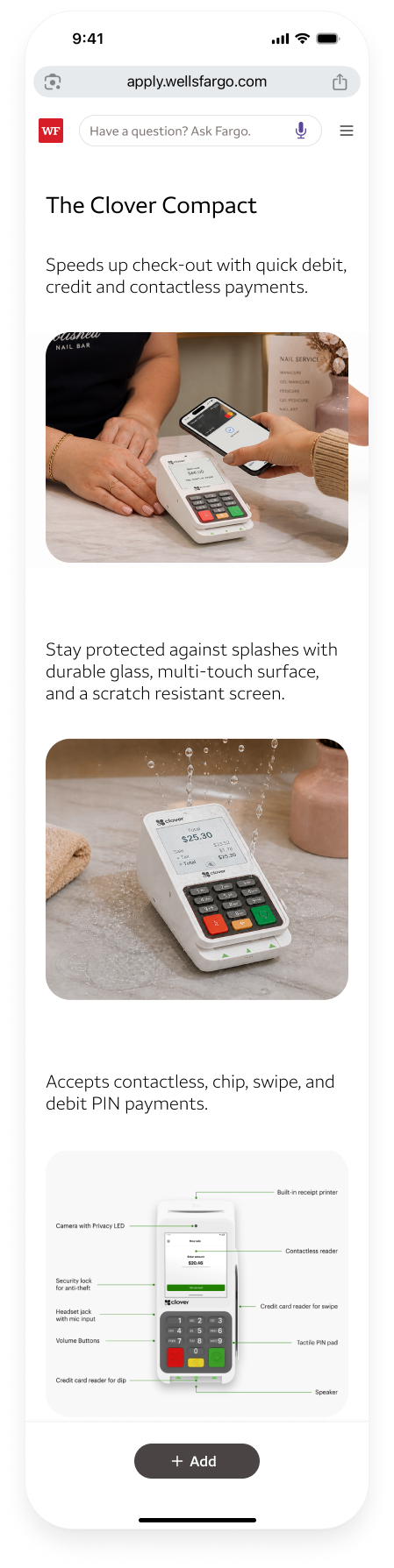
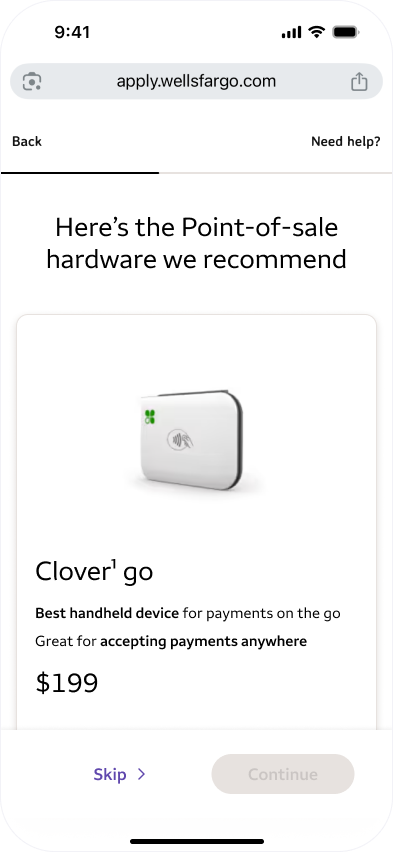
Even with a strong AI recommendation, we didn't want to just hand the customer one answer and call it done. Merchant services decisions are high-stakes for a small business and customers need to compare options and see exactly what's included before committing. So we built a horizontal comparison view that let people shop freely. This balanced AI-driven guidance with customer trust and control.
AI-powered Assistant
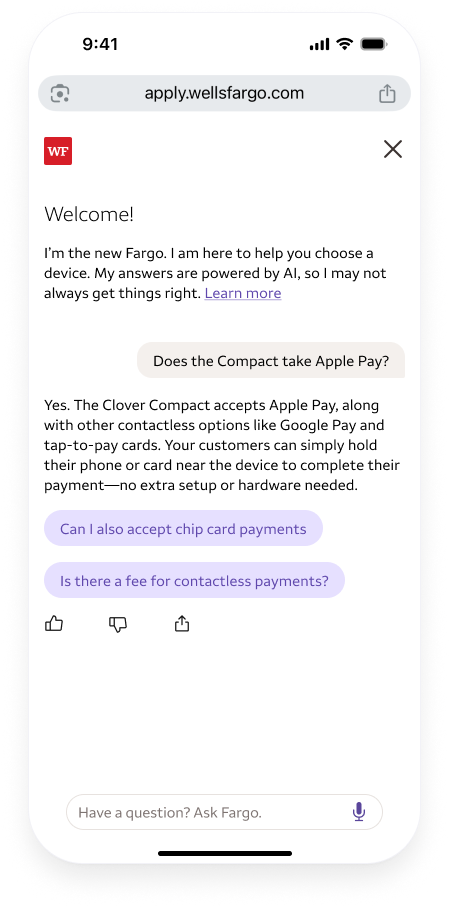
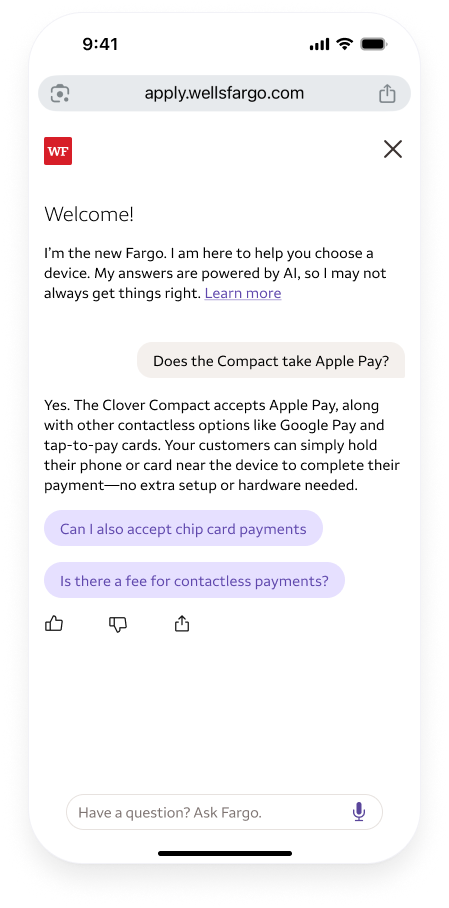
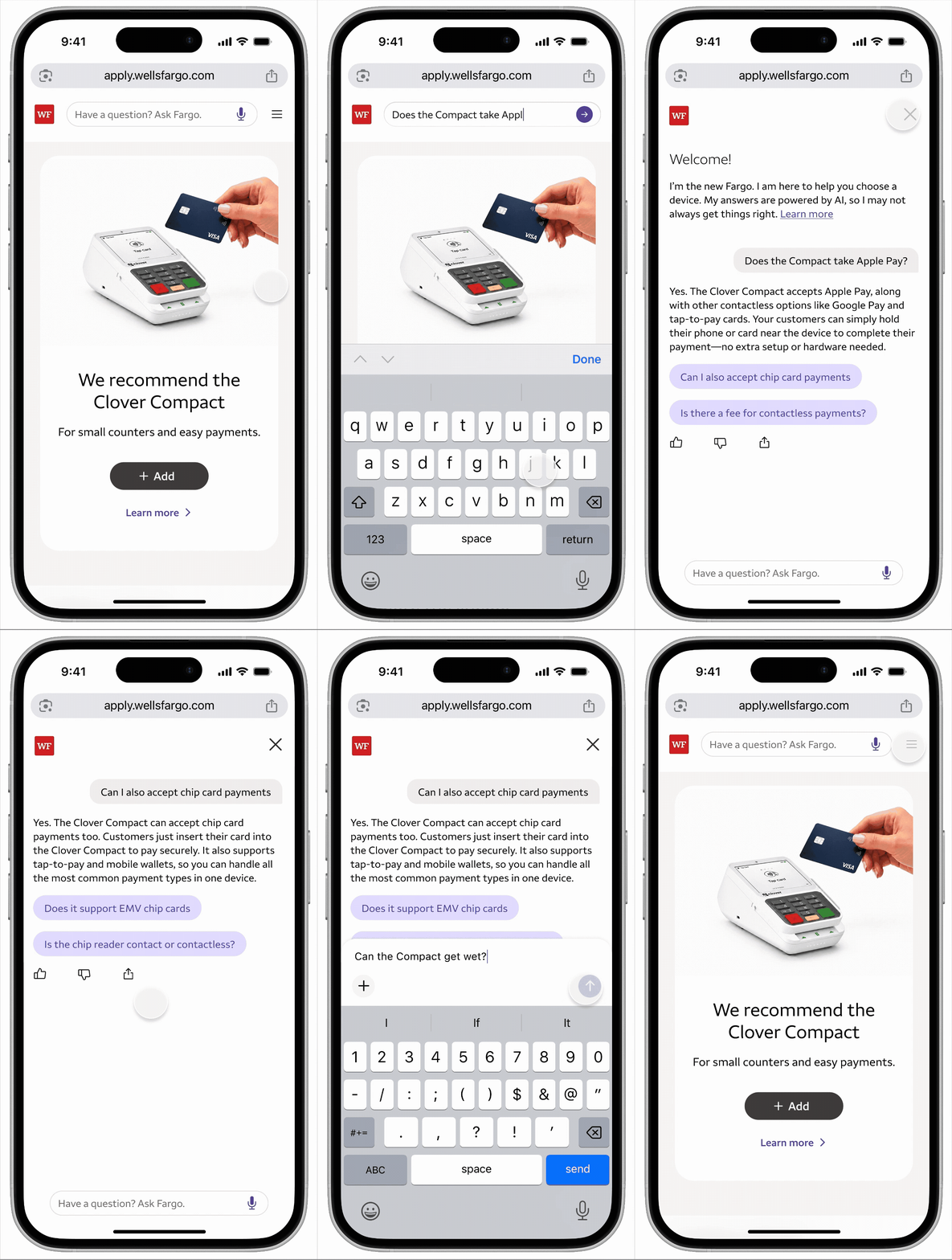
Open-ended AI chats can feel unbounded for someone trying to make a business decision quickly. We added helpful/popular prompts to reduce blank-page hesitation, auto-scroll to keep focus on the newest relevant info, and a quick-exit path back to the product. The goal wasn't to keep people chatting, it was to get them to a confident decision fast.

Review and submit
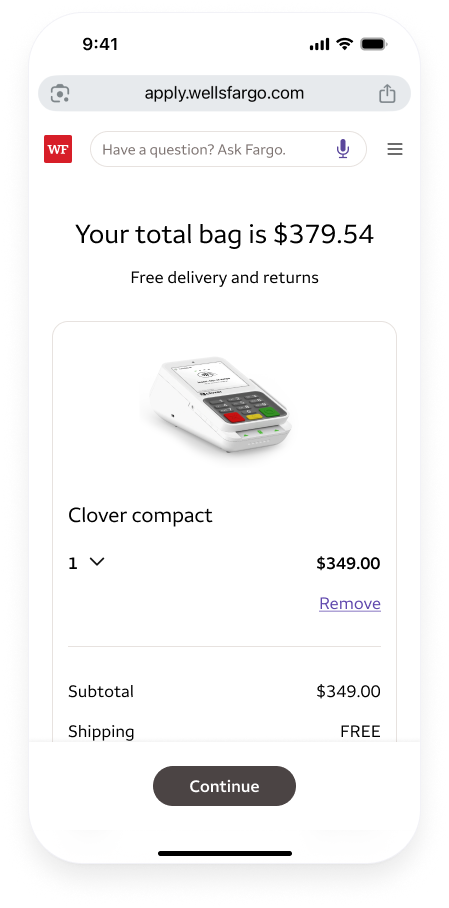
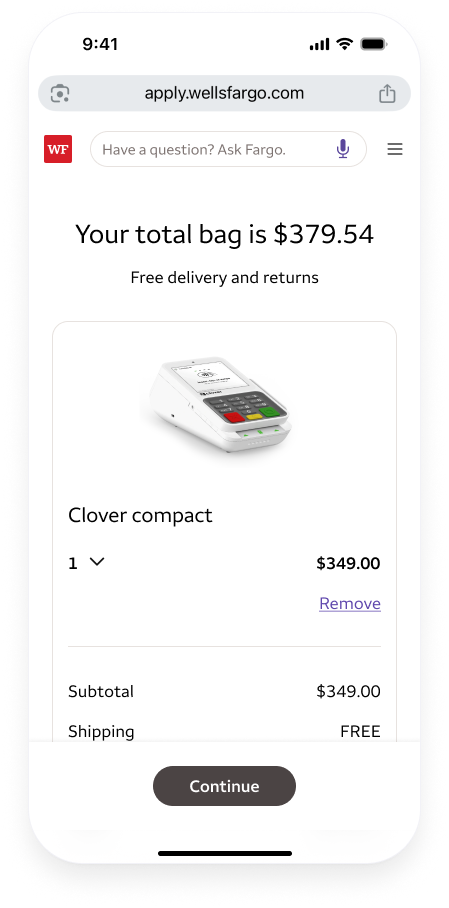
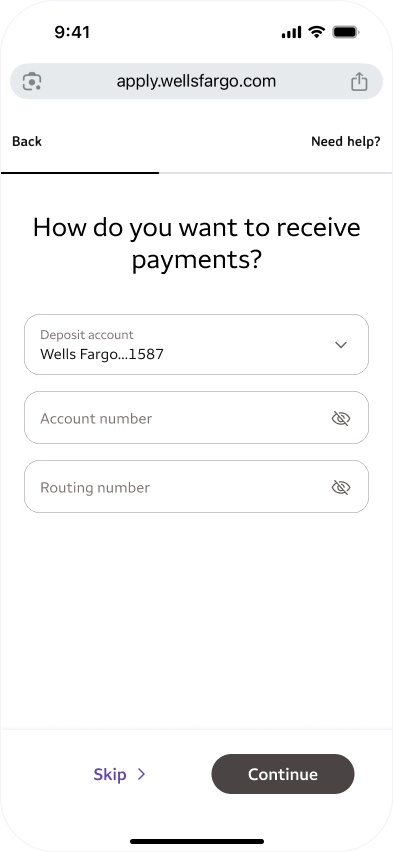
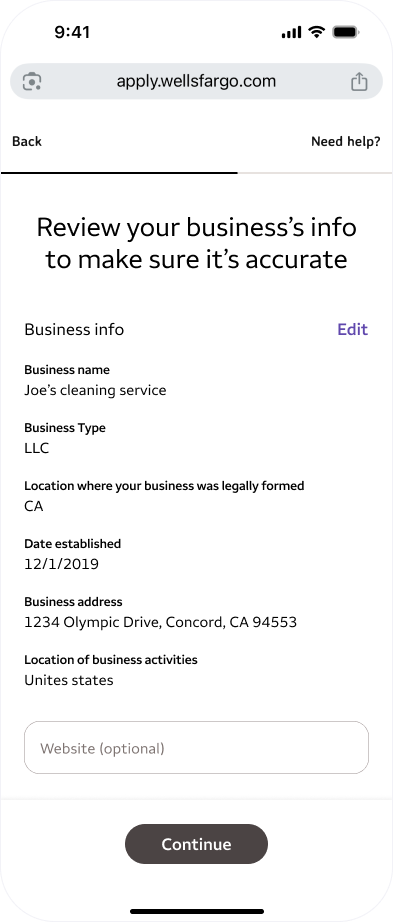
Before finalizing, users can validate product selections, confirm business and payment details, and make adjustments as needed. Contextual accessory recommendations help round out their purchase, creating a complete, ready-to-use solution at checkout.
How we got here
AI research and ideation, benchmarking, sketching, and wireframes
User research
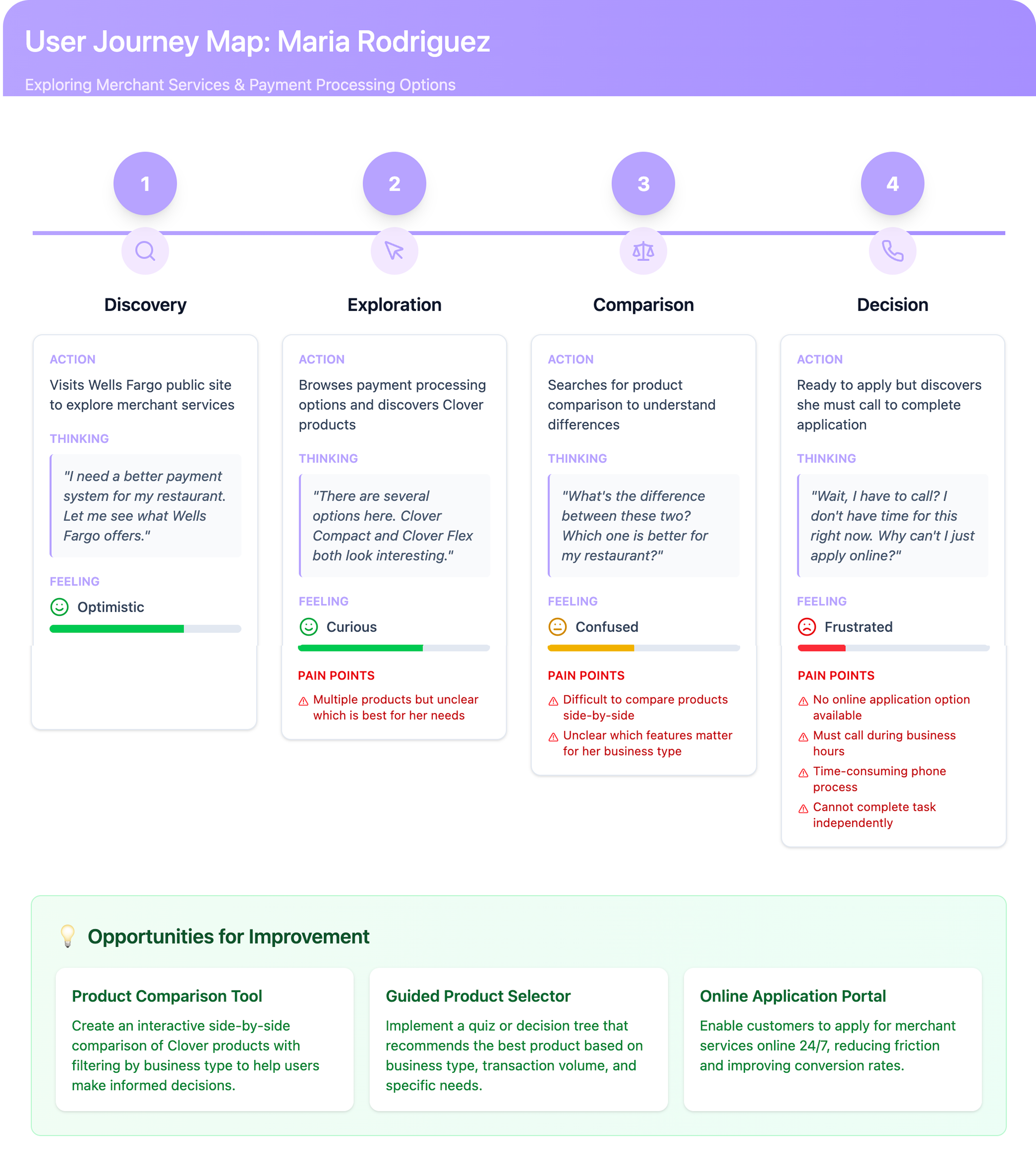
We started the UX process with Co-pilot, Figmamake and Claude to understand our user’s journey.
Benchmarking and competitive research
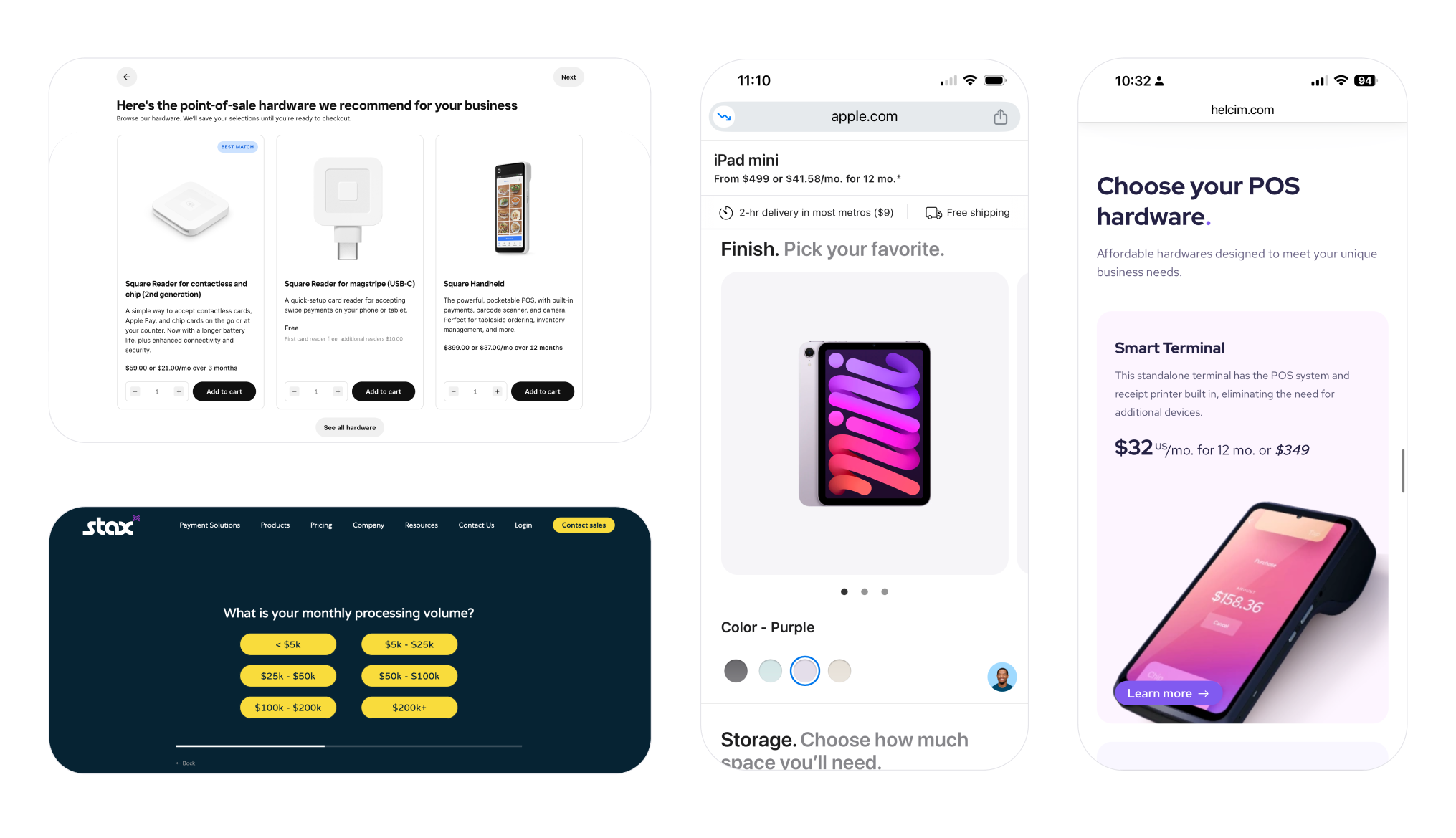
By analyzing how other designers address user needs, we uncover valuable patterns and opportunities. Reviewing competitor experiences also helps us understand user expectations and the broader landscape our product will be compared against.
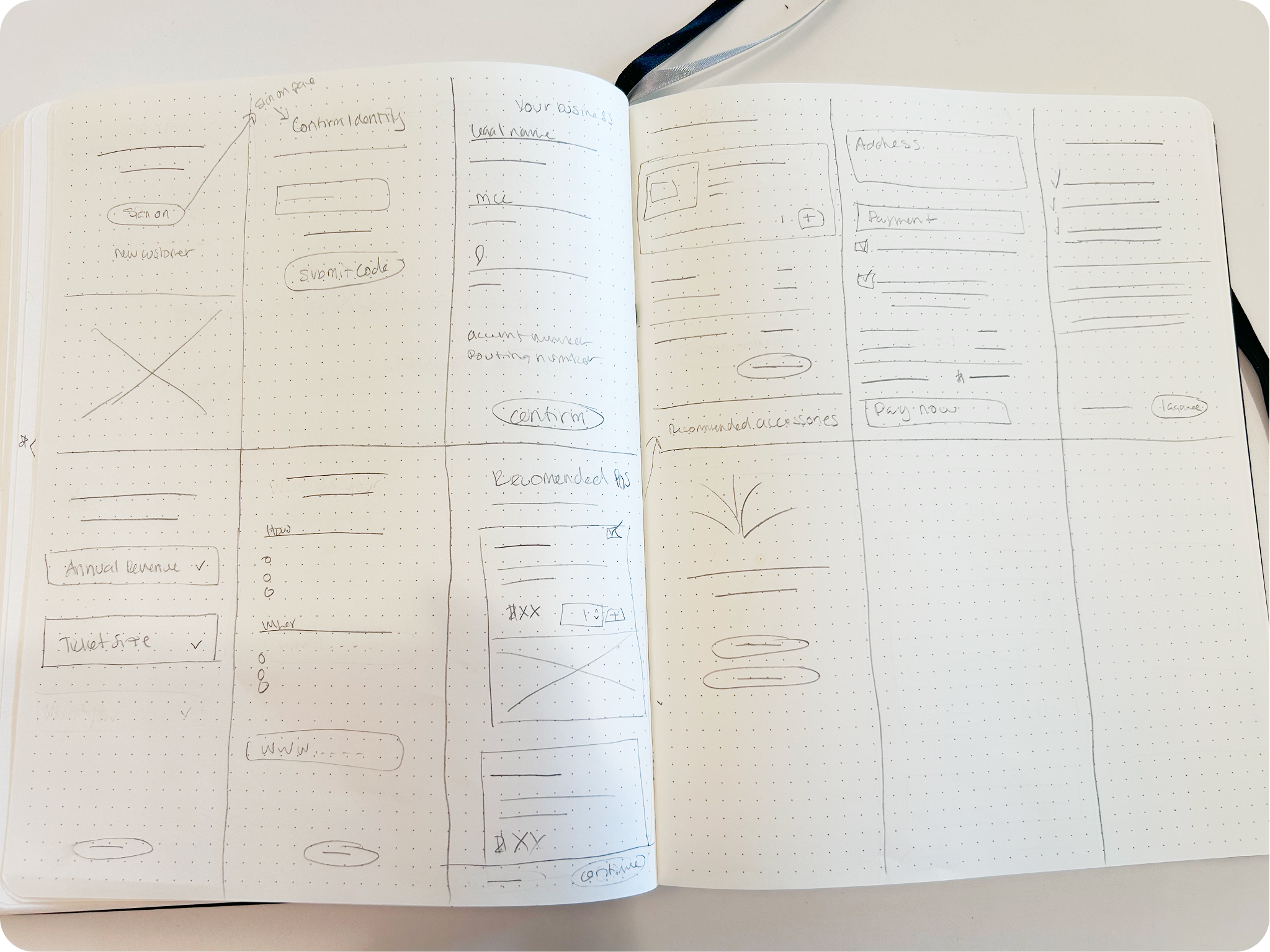
Why sketching matters
Even in a landscape shaped by AI and advanced digital tools, sketching remains a valuable part of the design process. It encourages focused thinking, rapid exploration, and the ability to iterate freely without the distractions of digital constraints.
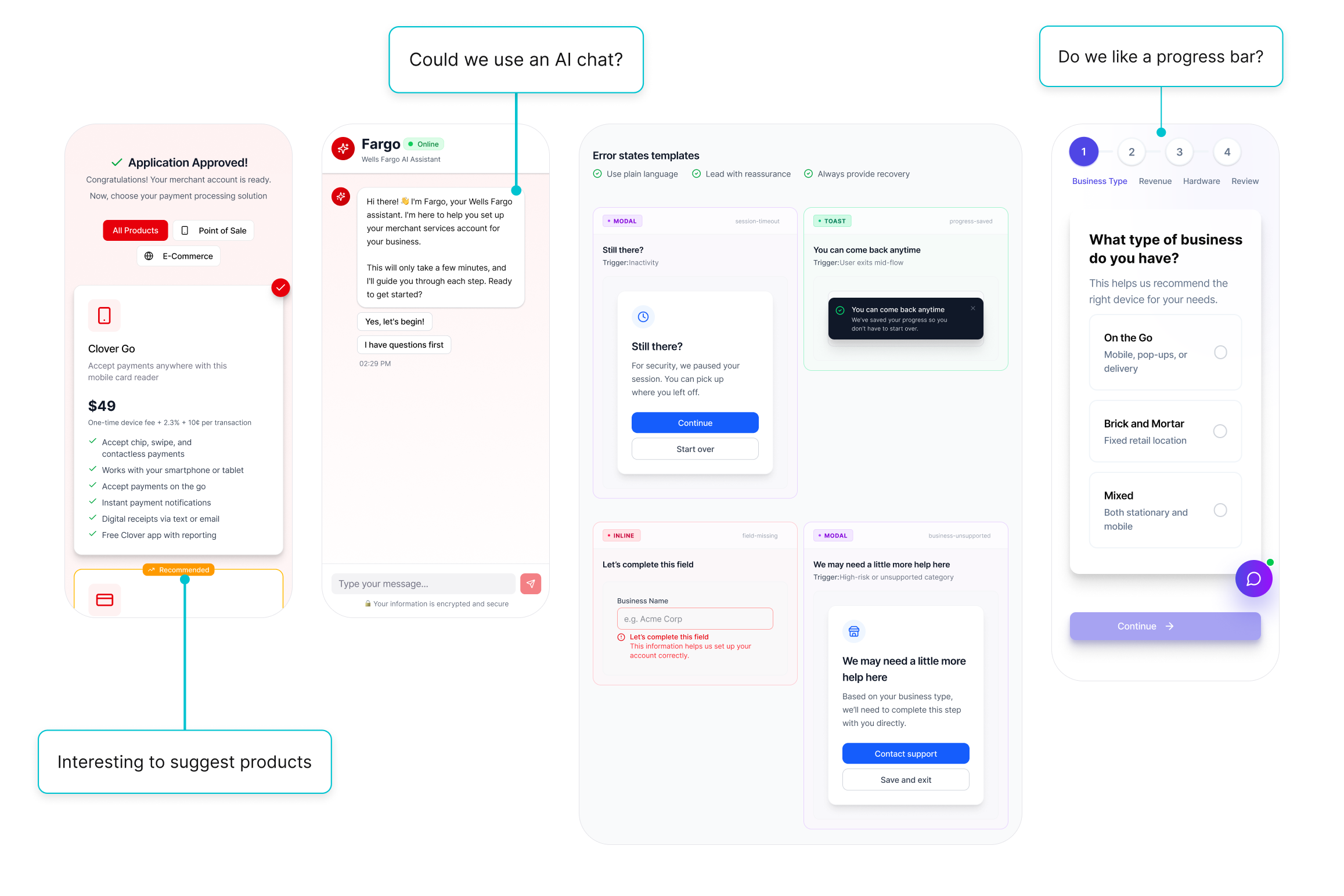
AI ideation
At this point, AI ideation doesn’t always get it right, however it can provide quick examples with hidden gems. AI ideation can provide valuable insights that can lead to polished designs.
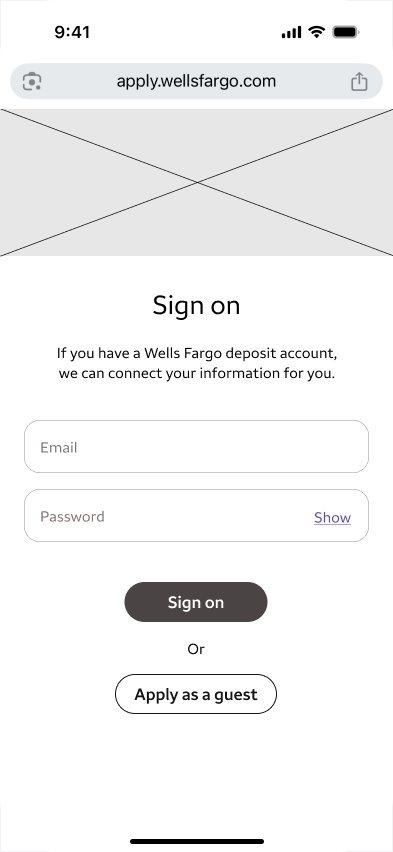
Wireframes
Wireframing validates structure, user flows, and functionality early, before investing time in visual details. This ensures the experience is intuitive and effective, reducing rework when moving into high-fidelity design.

In conclusion
Helping users make confident decisions is at the core of how we apply AI in our designs. Rather than following trends, we leverage AI to simplify complexity—guiding users toward the right outcomes with clarity, ease, and a sense of confidence. This project is currently in production.